
Banh Mi in Hoi An is easy to encounter and easy to eat, but the sandwich becomes much more interesting when you slow down long enough to notice how many different textures, flavours and ingredients can exist inside a single piece of bread.
For many travellers, Banh Mi is one of the most accessible ways to begin exploring Vietnamese food. It can be eaten without ceremony, carried while moving through the city and adapted through different combinations of fillings, herbs, vegetables, sauces and seasonings.
Yet its apparent simplicity can be misleading. A satisfying Banh Mi depends on balance: crisp bread against softer fillings, rich ingredients against fresh herbs and vegetables, and seasoning that brings everything together without overwhelming the sandwich.
This guide explores what makes Banh Mi distinctive, what to notice when eating one in Hoi An and how this familiar Vietnamese food can become part of a wider cultural experience.
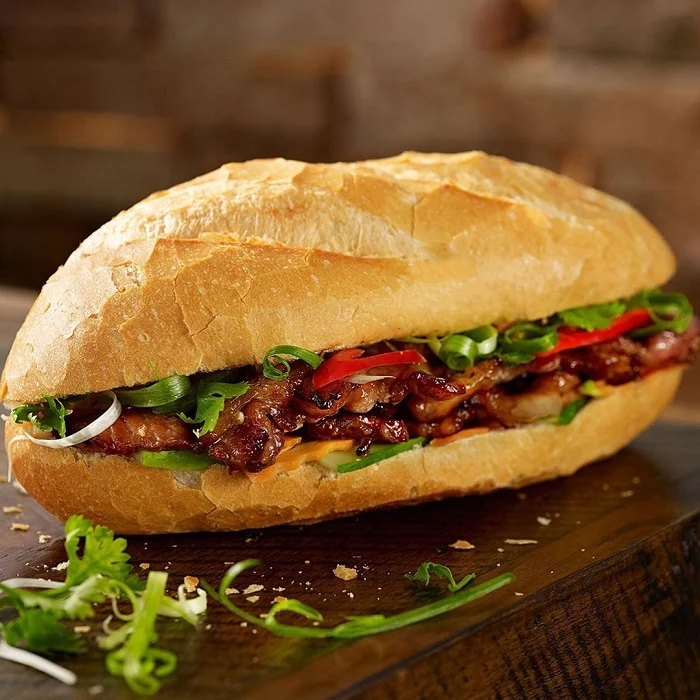
What Exactly Is Banh Mi?
The word “bánh mì” can refer to bread in Vietnamese, while the term is also widely used for the filled sandwich that travellers commonly recognise as Banh Mi.
At its most visible level, the idea seems straightforward: bread is opened and filled with a combination of ingredients. What makes the result interesting is the interaction between those components.
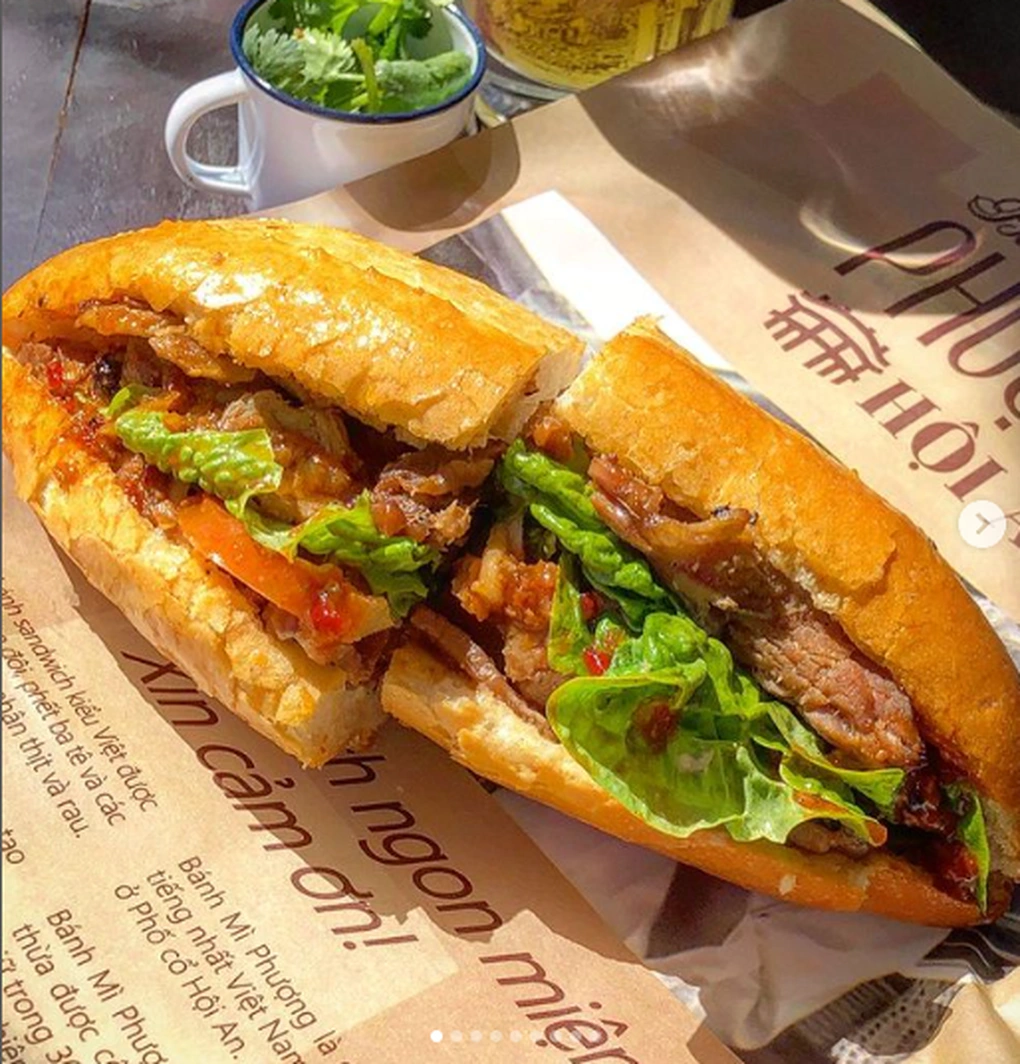
The bread contributes a crisp exterior and lighter interior. Inside, richer ingredients can be balanced by herbs, vegetables, pickled elements, sauces and seasoning. Recipes and combinations vary, which means there is no need to expect every Banh Mi to taste exactly the same.
Banh Mi is simple to hold in your hands, but its character comes from the balance of everything placed inside it.
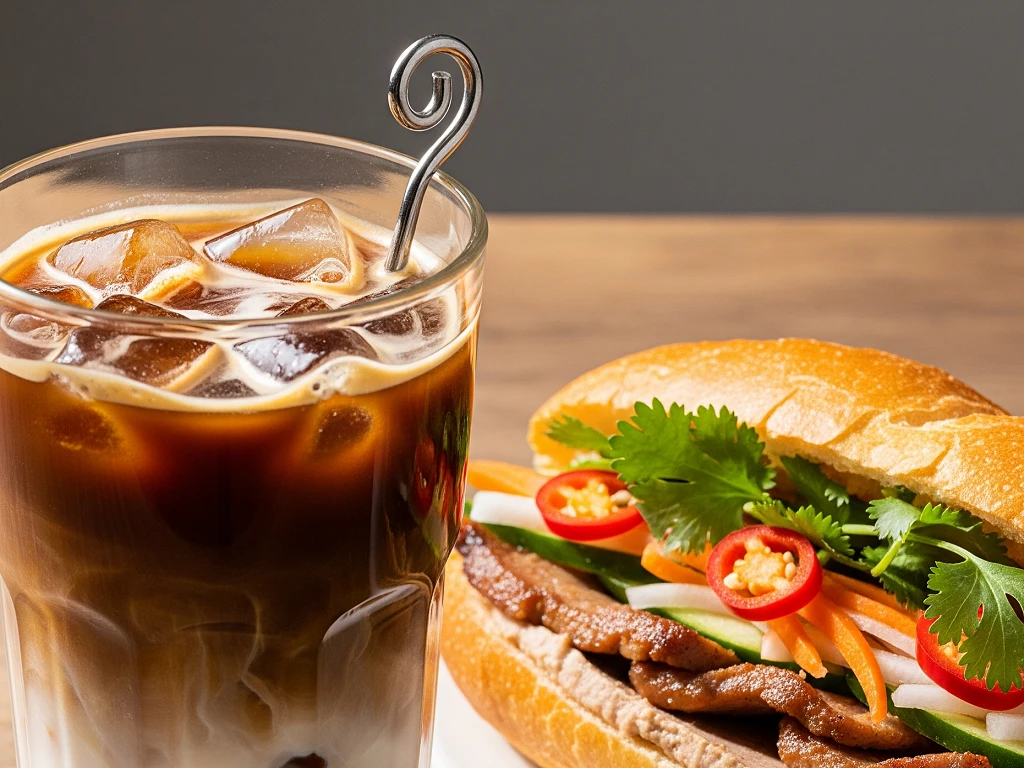
Start with the Bread
Before thinking about fillings, notice the bread itself. Texture plays an important role in the experience of eating Banh Mi.
The exterior provides the first contrast when you bite into the sandwich, while the inside needs to hold the fillings without making the entire sandwich feel heavy.
This combination creates an important structural role as well as a sensory one. The bread is not simply packaging for the ingredients inside; it is one of the main components of the experience.
When comparing different Banh Mi, pay attention to how the bread behaves with the fillings. A sandwich can change considerably depending on that relationship.
The Elements That Build a Banh Mi
There is no single filling combination that defines every Banh Mi. Instead, it is useful to think about the sandwich as several layers of texture and flavour working together.
The Bread
The outer structure provides crispness and holds the ingredients together while remaining an important part of every bite.
The Main Filling
Depending on the version, the central filling contributes much of the richness and gives the sandwich its particular character.
Fresh & Pickled Elements
Vegetables, herbs and pickled ingredients can add freshness, aroma, acidity and additional texture.
Sauces & Seasoning
Sauces and seasonings connect the other components and can change the overall balance from one Banh Mi to another.
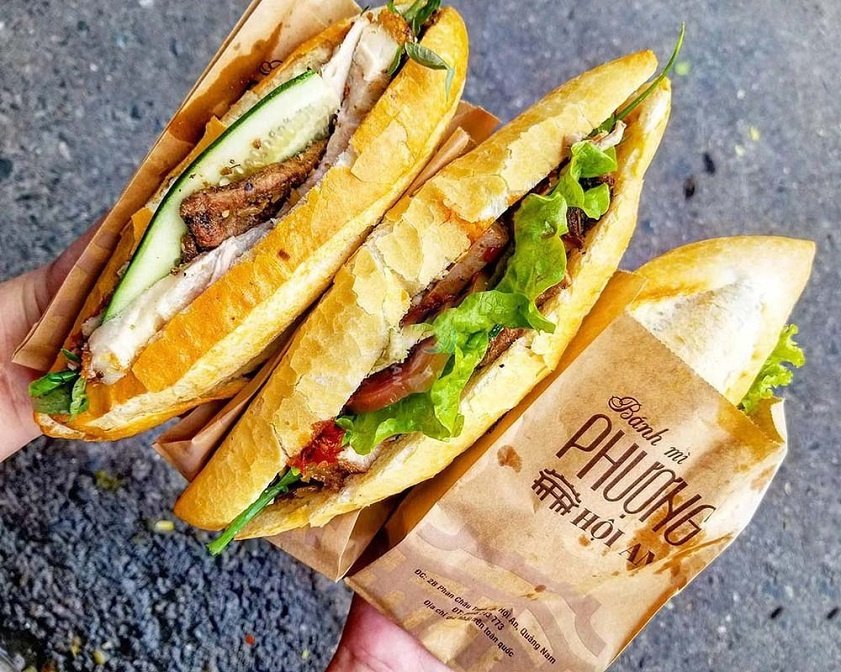
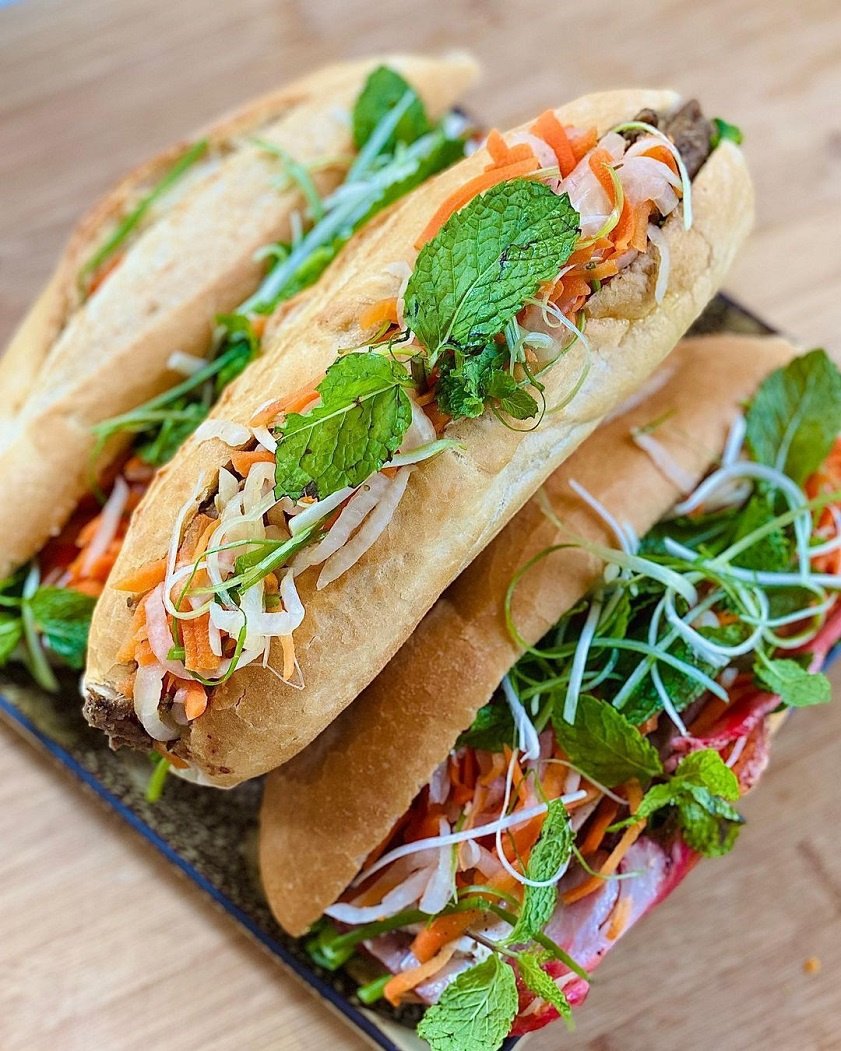
Why Texture Is as Important as Flavour
Banh Mi is not only about identifying individual flavours. Much of its appeal comes from experiencing several textures at once.
Crisp bread can meet softer and richer ingredients, while fresh or pickled vegetables introduce another kind of bite. Herbs add aroma as well as freshness.
When these elements are balanced, no single component needs to dominate. Instead, the sandwich changes as you move from the first bite through the different ingredients inside.
This is worth noticing when eating Banh Mi in Hoi An. Rather than asking only what filling is inside, pay attention to how the sandwich feels and tastes as a whole.
Three Contrasts to Look for in Your Next Banh Mi
You do not need to analyse every sandwich. But noticing a few contrasts can make it easier to understand why one Banh Mi feels different from another.
Crisp & Soft
Notice the contrast between the bread and the softer ingredients held inside it.
Rich & Fresh
Richer fillings can be balanced by vegetables, herbs and other fresh components.
Savoury & Bright
Seasoning, sauces and pickled elements can create contrast rather than allowing the sandwich to taste one-dimensional.
Why Banh Mi Fits Naturally into a Day in Hoi An
Part of Banh Mi's appeal for travellers is practical. It can fit easily between other parts of a day without requiring an elaborate dining plan.
That makes it particularly compatible with a destination explored through walking, short stops and different activities throughout the day.
But convenience does not mean the food has to be treated as an afterthought. Taking a moment to notice the ingredients, textures and preparation turns a quick meal into another way of engaging with Vietnamese food culture.
Explore More Things to Do in Hoi An →
Pair Banh Mi with Another Vietnamese Favourite
Banh Mi and Vietnamese coffee offer two very different sensory experiences, which makes exploring them together an interesting way to broaden a morning in Hoi An.
One is built around bread, fillings, herbs, vegetables and seasoning. The other invites you to pay attention to coffee, brewing methods and the ingredients that create different Vietnamese coffee styles.
Experiencing both provides more variety than approaching either one in isolation and creates a natural bridge between Vietnamese food and drink.
Discover Vietnamese Coffee in Hoi An →From Coffee and Banh Mi to a Hands-On Craft
Food can be one part of a wider cultural experience rather than the entire activity.
At Annie Hoi An, Banh Mi is brought together with Vietnamese coffee and lantern making in a three-hour small-group morning experience. This allows the session to move from drink to food and then into a hands-on craft.
The combination is designed for travellers who want to explore several elements within one experience rather than booking each activity separately.
Vietnamese Coffee, Banh Mi & Lantern Making Workshop
A three-hour small-group experience beginning at 7:45 AM. Explore Vietnamese coffee, enjoy Banh Mi and continue into hands-on lantern making, with a maximum group size of nine guests.
There Is No Need to Search for One “Correct” Banh Mi
Food becomes more interesting when variation is treated as part of the experience rather than as a problem to solve.
Different Banh Mi can use different fillings, proportions, vegetables, herbs and seasonings. Personal preferences matter too. A version one traveller loves may not be the same combination another traveller would choose.
Instead of searching for a single universal definition of the perfect sandwich, try noticing the differences. Compare the bread, the balance of fresh and rich ingredients, the level of seasoning and the overall texture.
That approach turns eating into exploration.
Use Food as a Doorway into Hoi An
A Banh Mi may take only a short time to eat, but food can become one of the easiest ways to begin asking deeper questions about a destination.
What ingredients do you recognise? Which flavours are unfamiliar? What changes from one version to another? What happens when food is experienced alongside coffee, craft or another part of local culture?
Hoi An does not need to be experienced through a checklist. Sometimes one small detail — a cup of coffee, a handmade lantern or a sandwich — is enough to begin looking more closely.
Continue with the Hoi An Cultural Guide →Frequently Asked Questions About Banh Mi in Hoi An
What is Banh Mi?
Bánh mì can refer to bread in Vietnamese, while the term is also widely used for the filled Vietnamese sandwich made by combining bread with a variety of fillings, vegetables, herbs, sauces and seasonings.
What is usually inside a Banh Mi?
The exact combination varies. A Banh Mi can bring together a main filling with vegetables, herbs, pickled elements, sauces and seasonings inside bread, so travellers should not expect every version to contain exactly the same ingredients.
Why do different Banh Mi taste different?
Differences in bread, fillings, herbs, vegetables, sauces, seasoning and proportions can all change the final flavour and texture of the sandwich.
Is Banh Mi only a breakfast food?
Travellers should not think of Banh Mi only as a fixed breakfast experience. Its convenient format allows it to fit naturally into different parts of a day.
Can I experience Banh Mi together with Vietnamese coffee?
Yes. Annie Hoi An's Vietnamese Coffee, Banh Mi & Lantern Making Workshop combines Banh Mi with Vietnamese coffee and a hands-on lantern-making activity.
Which Annie Hoi An experience includes Banh Mi?
Banh Mi is included in several Annie Hoi An cultural journeys. The three-hour L2 experience is the most focused option, combining Vietnamese coffee, Banh Mi and lantern making in a small-group morning session.
Taste Hoi An slowly enough to notice the details.
Banh Mi can be a quick meal, but it can also be an introduction to the flavours, textures and everyday food experiences that make travelling in Vietnam memorable.